Filter Posts
Hashtags

Kevin Wiggan,

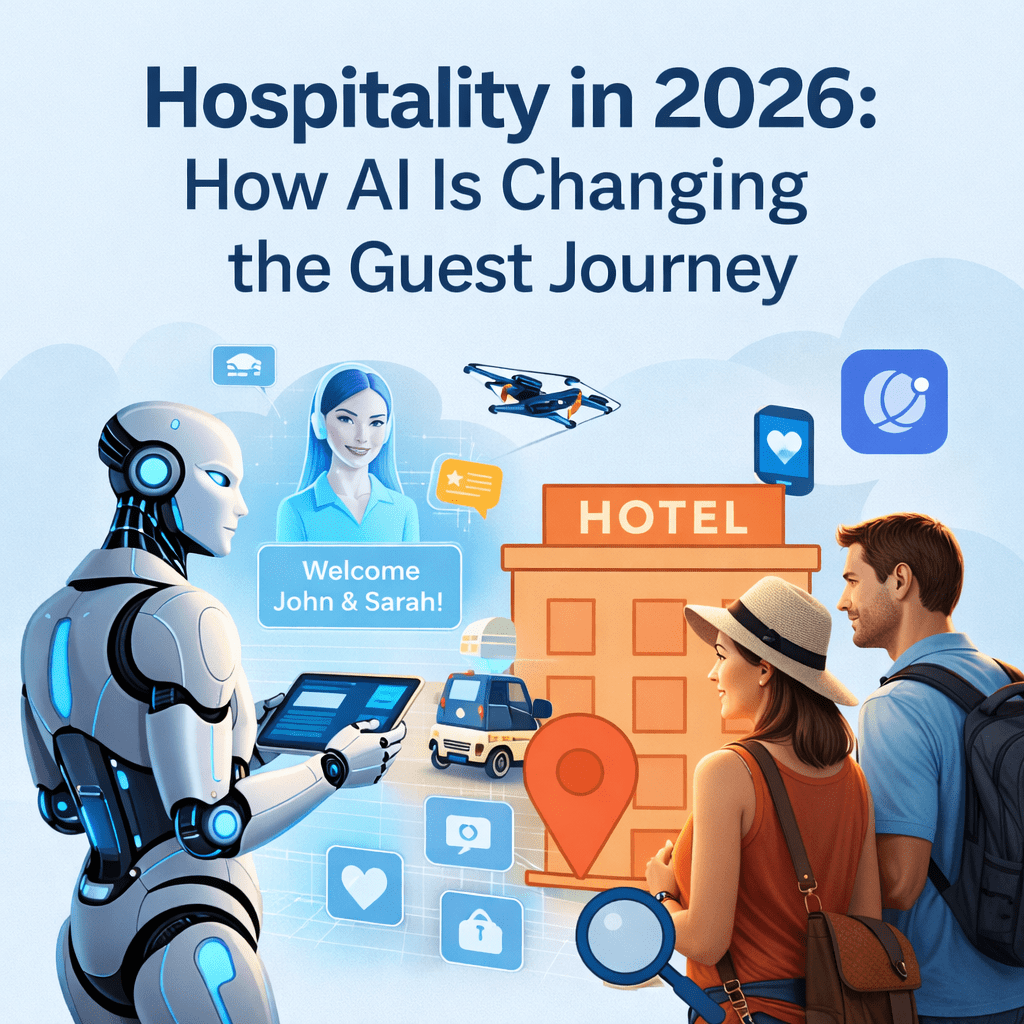
Hospitality in 2026: How AI Is Changing the Guest Journey

A new year always brings new tools, new expectations, and new competitive pressure.
But 2026 feels different.

AI is no longer experimental in hospitality. It’s becoming embedded in how travelers search, decide, book, and experience hotels. What was once “emerging tech” is now operational reality.

As we step into 2026, the brands that adapt early will shape demand. The ones that don’t will increasingly struggle for visibility.

We asked our team at Three&Six what hoteliers should be paying attention to this year. Here’s what they shared:


Eliana Noznesky, Digital Marketing Manager:

I think we’re going to see AI heavily implemented in communications, marketing collateral, trend forecasting, and possibly even booking. We’ll also see some AI-planned trips that go completely off the rails — which is a good reminder that AI still needs strong strategy and human oversight behind it.


Jasmine Firth, Senior Digital Marketing Manager:

AI will become foundational to personalization in hospitality. One of the biggest changes is how much it shortens the path to booking. Instead of hours of research, AI simplifies decisions and removes friction for travelers.

On property, smarter guest recognition will allow hotels to tailor experiences — from room preferences to music, lighting, and temperature — creating stays that feel more thoughtful and familiar.


Jessica Bosward, Senior SEO Manager:

Search and discovery will shift the most. AI is shaping decisions before a guest ever reaches your website.

Passive SEO won’t survive in 2026. Visibility in AI answers will matter as much as rankings. Brand authority, UGC, and clear, structured content will determine which hotels get recommended.

Hotels that invest in SEO and GEO now will win long-term. The biggest risk is remaining stagnant — AI will not wait.


Three&Six’s 2026 AI Recommendations for Hotels

As AI becomes a core layer of the guest journey, hotels should focus on a few fundamentals this year:

1. Make Your Website AI-Readable
Clearly communicate your amenities, differentiators, location advantages, and guest experience. If AI can’t understand your hotel, it can’t recommend it.

2. Invest in SEO & GEO, Not Just Media
Organic visibility, local authority, and structured content are now as critical as paid channels.

3. Strengthen Brand Signals Everywhere
Reviews, content, social proof, and consistency across platforms shape how AI interprets your brand.

4. Use AI to Reduce Friction, Not Replace Hospitality
Automation should support faster decisions and smoother stays — not remove the human element.

5. Start Small, But Start Now
Waiting for “perfect” AI strategy will put you behind. Test, learn, and evolve throughout 2026.


AI isn’t the future of hospitality.
It’s the present.

And in 2026, the hotels that win will be the ones that use intelligence to deliver more human, more relevant, and more memorable experiences.
Kevin Wiggan,

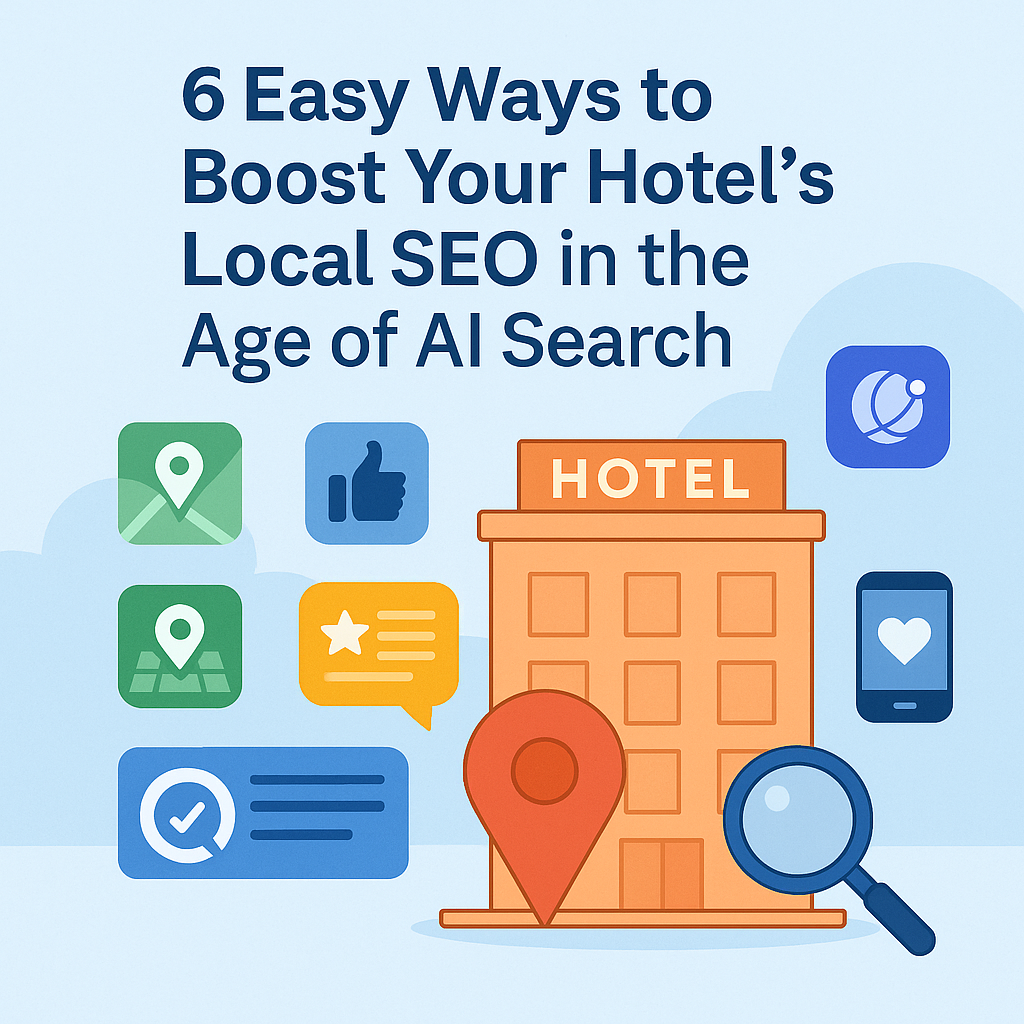
6 Easy Ways to Boost Your Hotel’s Local SEO in the Age of AI Search

Did you know travelers aren’t just turning to Google anymore when searching for hotels? AI-powered tools like ChatGPT, Perplexity, and Apple Intelligence are reshaping how guests discover where to stay. These platforms pull data from across the web — not just one search engine — to recommend trusted, visible brands. For hotels, that means local SEO is no longer optional. If your property doesn’t appear consistently across all search surfaces, you’re invisible to the new generation of digital travelers.

Here are six simple ways to improve your local SEO and get more guests.


1. Be Everywhere, Not Just on Google

Don’t rely only on your Google Business Profile. Make sure your hotel’s name, address, phone number, and website are correct on every site — like Apple Maps, Bing, Facebook, and Yelp. Add photos, offers, and FAQs so guests can find the right info fast.


2. Keep All Your Info the Same

If your hours or phone number are different on different websites, search engines and guests will get confused. Keep all details consistent everywhere. It builds trust and helps you show up higher in search.


3. Create Local Pages That Work Fast

Have a local landing page for your hotel that loads quickly and looks great on phones. Add clear details, photos, and local keywords (like “hotel in Kona near the beach”). This helps search engines understand your hotel and send more guests your way.


4. Get and Manage Reviews

Good reviews help you show up more in search results. Ask happy guests to leave reviews and always reply to them. Even a short thank-you helps. The more positive feedback you have, the more people (and Google) will trust your hotel.


5. Watch Your Data

Use your analytics tools to see what’s working — which keywords people search, which pages they visit, and how they book. Update your listings and ads based on what you learn. Small changes can mean more bookings.


6. Use Social Media

Many travelers now search on social media before booking. Keep your profiles updated on Instagram, Facebook, and TikTok. Post often, reply to comments, and use the same info everywhere. It helps people (and AI search tools) find and trust your hotel.


The Takeaway

AI is changing how guests find hotels. Keep your info correct, your pages fast, your reviews positive, and your social media active. Doing these simple things will help your hotel get found — and booked — by more travelers.

Kevin Wiggan,

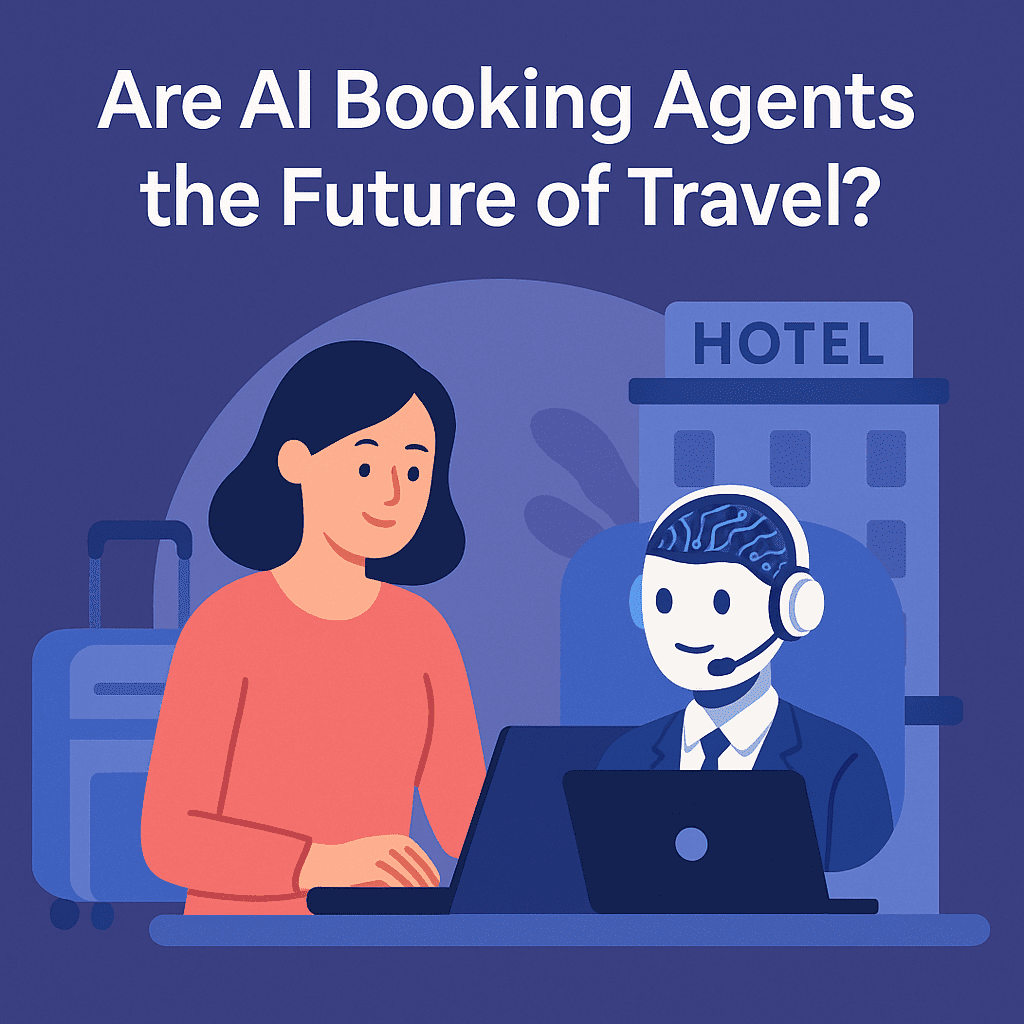
illustration: hotel guest and AI booking agent at a laptop

Are AI Booking Agents the Future of Travel?

Are AI Booking Agents the Future of Hotel Stays?

AI shopping agents are reshaping online buying. OpenAI’s rebrand to “Agent” signals the shift—AI will search, compare, and purchase for users. In travel, this challenges OTAs: why let AI strip their data and relegate them to the background?

The winners won’t be OTAs sharing data or building bots but human travel agents who use AI to work faster and deliver smarter, more personalized advice. We asked our seasoned marketers here at Three&Six for their take—here’s what they said:

Jessica Matsumori, Digital Marketing Manager: 

I’m nervous it will make hotels even more reliant on OTAs and give OTAs more leverage to up fees, services, etc. But I’m also cautiously optimistic that people are going to use it to not book all the way and will instead use the front end of the AI process to do research and then search for the hotel name to book on their own–which could help direct bookings.

Raisa M, Digital Marketing Manager:

I like to thoroughly research where I’m staying — from reading reviews to checking nearby attractions — and I think many travelers will feel the same. There’s only so much AI can do before guests want to verify details about a property themselves. While AI may work well for short-term stays of two to three nights, for longer trips of five to seven nights, I don’t see it becoming the primary tool.

Jasmine Firth, Senior Digital Marketing Manager:

I’m torn. AI could find the perfect hotel for my stay and unlock real-time revenue opportunities—creating offers instantly from live insights instead of waiting on reports. But it could backfire if agents scrape outdated data or surface bad reviews. Without optimization, your hotel could disappear in the noise.

Kevin Wiggan, Digital Marketing Manager:

Human travel agents will make a comeback as travelers seek personalized service. Fully trusting AI to book a trip is risky, and I wouldn’t hand over my plans to one. For OTAs, AI booking works only if they prove it consistently finds the best rates—even versus booking direct.

Kevin Wiggan,

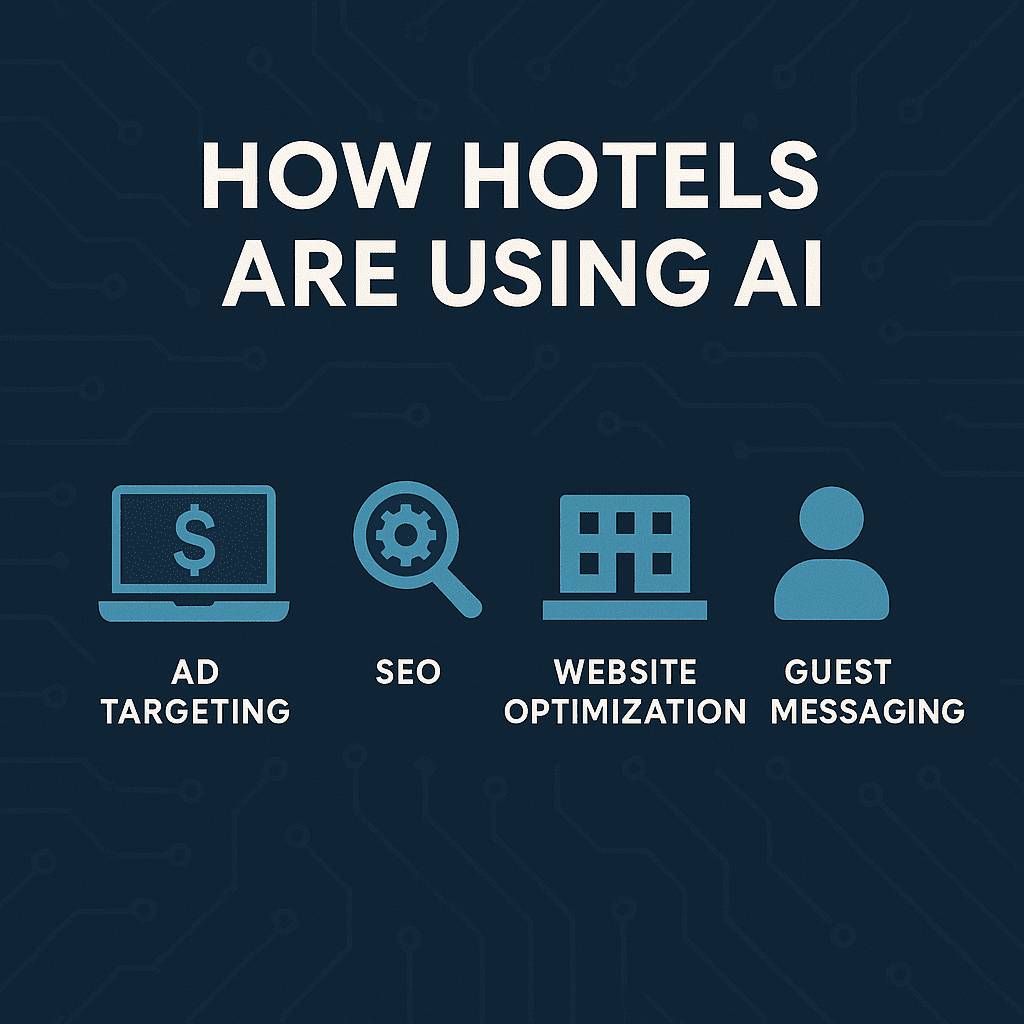
How Hotels Are Using AI with Three&Six

How Hotels Are Using AI with three&six

From Project Henry and Ratemate to AI SEO and AI-powered video ads, our clients are putting Three&Six’s hospitality AI tools to work in creative ways.

Here’s a quick look at some of the AI tools and services our client hotels are using to level up marketing and guest experiences:

What some of our preferred partners are doing:

  • Rankscale is a pioneering GEO (Generative Engine Optimization) tool designed to analyze, track, and optimize brand presence on AI search engines.
  • Maison is your hotel’s virtual concierge, expertly trained to engage in natural conversations with guests through your website.

Unfortunately, no posts match your search criteria.

Aurora AI Background